Why You Keep Watching Things That Stress You Out (And How to Finally Stop)
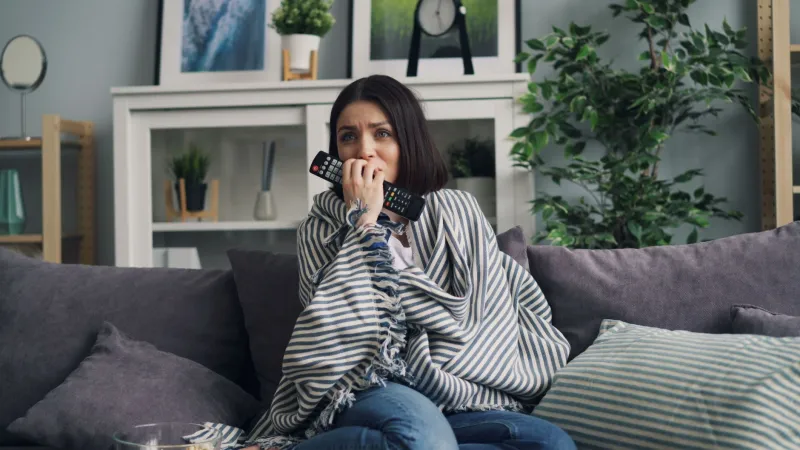
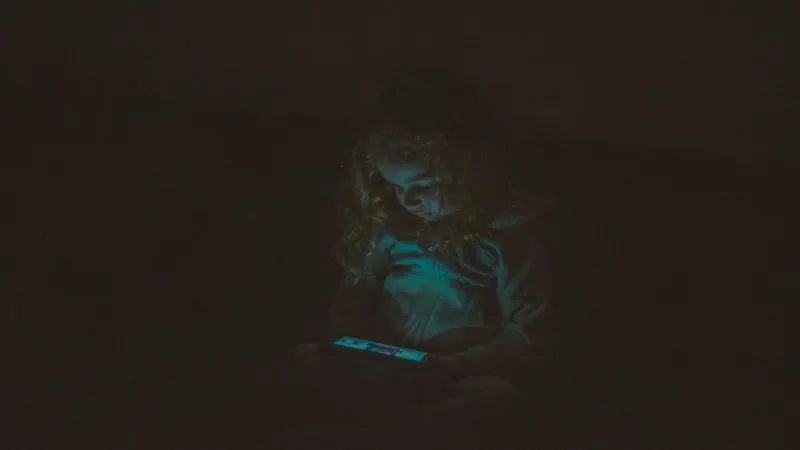
It's 11:47 PM on a Tuesday. You have work in the morning. You are fully aware that the true crime documentary currently playing on your TV is going to haunt your dreams. And yet — you reach for the remote and hit play on the next episode anyway.
Sound familiar? You're not alone, and you're definitely not broken. There's actually a name for this kind of behavior, and psychologists have been picking it apart for years. The short version: your brain is doing something surprisingly logical, even when it feels completely irrational.
The Weird Comfort of Controlled Chaos
Here's the thing about anxiety-inducing content — whether it's a grim murder mystery series, a reality show full of screaming couples, or a documentary about a global catastrophe you can't do anything about. Watching it feels bad and kind of good at the same time, and that's not a bug. That's the whole point.
Psychologists call it emotional catharsis — the idea that experiencing intense feelings in a safe, controlled environment actually helps discharge emotional tension you've been carrying around all day. Think of it like a pressure valve. Your real life is stressful. Your boss said something weird. Your rent went up again. You haven't called your mom back in two weeks. All of that emotional static is sitting in your chest with nowhere to go.
Then you turn on a show where someone else's life is dramatically, cinematically falling apart — and suddenly your nervous system has a socially acceptable outlet. You feel something big. And then it's over. Credits roll. You exhale.
The problem? That relief is often temporary, and the content keeps pulling you back for another hit.
True Crime and the Illusion of Control
True crime is probably the most obvious example of this paradox in action. The genre has absolutely exploded in the US over the last decade — podcasts, Netflix docuseries, YouTube deep-dives, Reddit threads that go on forever. And the audience skews heavily toward people who already report higher levels of everyday anxiety.
That's not a coincidence. Researchers have found that true crime content appeals specifically to our brain's threat-detection system. When you watch a documentary about how a crime unfolded — the clues, the mistakes, the investigation — your brain is essentially running a simulation. How would I handle this? What would I do differently? Could I spot the warning signs?
It feels like preparation. Like you're gaining knowledge that might protect you someday. In reality, you're usually just lying on your couch eating chips at midnight, but your nervous system doesn't totally know the difference.
Relationship Drama: The Other Stress Spiral
True crime gets a lot of attention, but relationship drama shows are equally potent stress machines — and somehow even more addictive for a lot of viewers. Shows built around conflict, betrayal, jealousy, and messy breakups hit a completely different psychological nerve.
Watching other people navigate relationship chaos lets us rehearse our own emotional responses without any real-world stakes. It's safe drama. We can feel outraged, heartbroken, or vindicated on behalf of people we'll never meet, and then close the app and go to sleep.
The catch is that binge-watching this kind of content can quietly recalibrate your emotional baseline. If you spend three hours watching couples tear each other apart, your own relationships might start to feel more tense by comparison — even when nothing has actually changed.
When Catharsis Becomes a Trap
So where's the line between healthy emotional release and a full-on stress spiral?
A good rule of thumb: catharsis should leave you feeling lighter, not heavier. If you finish a show and feel genuinely drained, anxious, or like you need to immediately check your locks twice, that's your nervous system telling you it didn't get what it needed from that experience.
Some signs that your comfort-stress content habit has crossed a line:
- You're watching to avoid thinking about something specific in your real life
- You feel guilty or vaguely gross after finishing an episode
- You're losing sleep but can't stop anyway
- The content is affecting how you see the people around you
- You're not actually enjoying it — you're just... doing it
None of this means you need to swear off dark content forever. It just means it's worth getting a little more intentional about the relationship.
Practical Ways to Enjoy Intense Content Without Letting It Run You
Good news: you don't have to choose between protecting your mental health and watching the chaotic, dramatic, occasionally disturbing content you genuinely love. You just need a few guardrails.
Set a time limit before you start. Decide in advance that you're watching one episode, or that you're stopping at 10 PM. Your future self at midnight will absolutely try to negotiate. Don't let them.
Build in a decompression buffer. After intense content, give your brain a few minutes to shift gears before bed. Scroll something light, make tea, do five minutes of stretching — anything that signals to your nervous system that the drama is over and you're safe.
Mix up your content diet. This one sounds obvious but it really works. If you've been heavy on true crime or conflict-driven drama, actively schedule something that makes you laugh or feel warm before the week is out. Balance isn't about avoiding the dark stuff — it's about not living there full-time.
Notice the difference between tension and enjoyment. Some people genuinely love the adrenaline of a tense documentary. Others think they do, but are actually just numbing out. Check in with yourself mid-episode: Am I engaged, or am I just... still here?
Talk about it. Seriously. Processing intense content with a friend, partner, or even in a Reddit thread can help your brain categorize the experience as fiction rather than ongoing threat. Articulating "that show was messed up" out loud is actually a small but real form of emotional regulation.
You're Not Weird — You're Human
At the end of the day, seeking out emotionally intense entertainment is one of the most deeply human things you can do. Ancient Greeks built entire theatrical traditions around it. We've just swapped the amphitheater for a streaming service and the toga for pajamas.
The goal isn't to become someone who only watches feel-good content and goes to bed at nine. It's to stay curious about why you're watching what you're watching — and make sure the content is working for you, not the other way around.
Now, if you'll excuse us, there's a new true crime docuseries that just dropped and we have some very important research to do.