Always On: The Rise of the Show That Plays in the Background of Your Entire Life
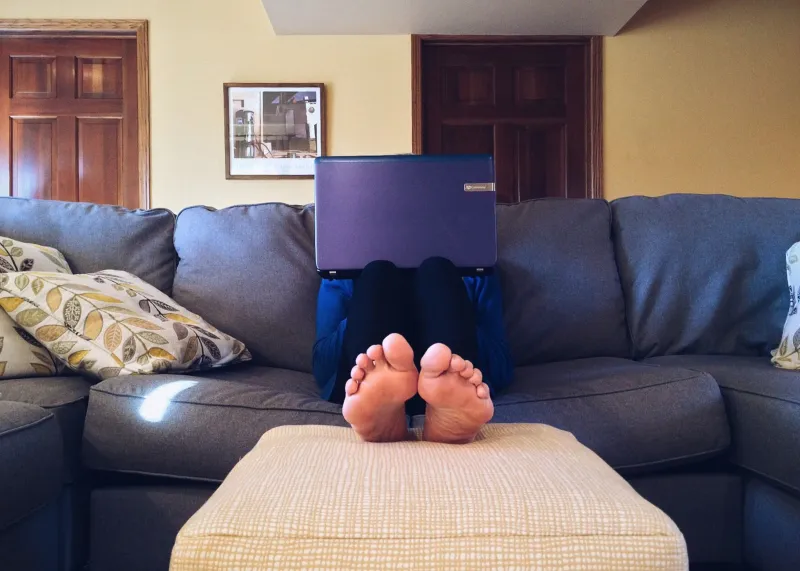
Somewhere in America right now, someone is folding laundry to the sound of a crime documentary they've already seen three times. Someone else is cooking dinner with a sitcom murmuring from the living room. Another person is answering emails with a YouTube video playing that they're not really watching but would absolutely pause if it got quiet.
This is the age of the background show — and if you're doing it too, you're far from alone.
The Silence Problem
Here's the thing about modern American homes: they're quieter than they used to be. Fewer people live together. More people work from home in solo apartments. The ambient noise of family, roommates, and daily foot traffic that used to fill a house has thinned out for a lot of us. And it turns out, humans don't love silence as much as we think we want it.
For most of human history, we existed in environments full of ambient sound — other people, nature, community. True quiet was rare and often associated with something being wrong. So when we're alone in a modern apartment, that silence can feel less peaceful than it does slightly off. Our nervous systems, wired for the presence of others, register it as a low-level absence.
Enter: the background show. That familiar dialogue coming from the other room isn't really entertainment — it's a proxy for company. It's the sonic equivalent of leaving a light on.
It's Not Really Watching
Let's be honest about what background entertainment actually is, because it's genuinely different from the act of watching something. When a show is playing while you clean the kitchen, you're not watching it in any meaningful sense. You're catching fragments. Your attention dips in and out. You might look up during a dramatic moment, process a minute of plot, and then drift back to whatever you were doing.
This passive relationship with content has its own name in media studies circles: ambient viewing. And while it sounds like something academics made up to describe what your parents did with the evening news, it's become a deliberate lifestyle choice for a growing number of people — particularly younger adults who grew up with screens always nearby.
The difference between ambient viewing now and background TV of the past is intentionality. People used to leave the TV on by habit or default. Today, many people curate their background entertainment. They pick specific shows for specific activities — something familiar and low-stakes for cleaning, something verbal and engaging for commuting, something visually interesting but narratively light for cooking. It's become a form of lifestyle design.
The Comfort Architecture of Your Playlist
Ask people what they put on in the background and patterns emerge pretty quickly. Rewatched shows dominate. There's a reason for that — a show you've already seen makes zero cognitive demands. You already know the outcomes, so you can let the dialogue wash over you without needing to track the plot. It's the entertainment equivalent of a familiar song: pleasurable precisely because it asks nothing new of you.
Cooking shows are wildly popular background viewing, which makes a certain logical sense — the pacing is gentle, the stakes are relatable, and the ambient sounds of kitchens and conversation are genuinely pleasant. True crime documentaries are another surprisingly common background choice, which is more interesting psychologically. The narrative structure is repetitive and familiar enough that you can follow along with half your attention, while the stakes feel just high enough to keep your brain mildly engaged.
Podcasts occupy a slightly different space — more demanding than ambient TV because they're purely audio and tend to require more active listening to follow an argument or story. But many people use them the same way: not to listen closely, but to fill silence with the sound of human voices being interesting about something.
When the Background Becomes the Foreground
Here's where it gets a little complicated. The same quality that makes background entertainment comforting — its constancy, its presence — can also make it hard to turn off. A lot of people who started using shows as ambient noise have found that they now feel genuinely uncomfortable in silence. The background has become a baseline.
This isn't necessarily catastrophic, but it's worth paying attention to. There's solid evidence that our brains benefit from unstructured quiet time — the kind of idle, wandering mental state that psychologists call the default mode network. This is when we process emotions, consolidate memories, and generate creative ideas. It's basically your brain's maintenance mode. And if you're filling every available quiet moment with audio and visual input, you're cutting into that processing time.
There's also the question of what you're actually absorbing. Research on media multitasking suggests that even when you think you're not paying attention to something, your brain is processing it to some degree. The shows you play in the background aren't going completely unregistered — they're just being processed at a lower level of awareness. Whether that's a problem depends heavily on what you're playing.
Designing Your Background More Intentionally
None of this means you should sit in silence while you do dishes. But it does suggest there's value in being a little more deliberate about what you put on and when.
Match the content to the activity. High-focus tasks — writing, detailed work, anything requiring real concentration — are actually disrupted by dialogue-heavy content, even when you think you're tuning it out. Instrumental music or ambient sound works much better for those moments.
Notice when you're reaching for background noise out of discomfort. Sometimes the instinct to turn something on is worth pausing for a second. Is this genuinely enhancing what you're doing, or are you just avoiding a feeling? Both are valid, but it's useful to know which one you're doing.
Give yourself structured entertainment-free windows. Even thirty minutes of quiet — a walk without earbuds, cooking without the TV — can feel uncomfortable at first and genuinely restorative after. Your brain will use the time well if you let it.
Protect your intentional watching. If everything is background, nothing gets your full attention. Keeping some viewing sacred — phones away, lights dimmed, actually engaged — makes that experience richer and keeps entertainment feeling like a treat rather than just more wallpaper.
The New Relationship With TV
The background show isn't going away. If anything, it's going to become more sophisticated as smart home technology makes it easier to have ambient content tailored to your activity and mood. The question isn't whether to do it — it's how to do it in a way that adds to your life rather than quietly hollowing out the quiet moments that make everything else make sense.
Your shows can be great company. Just make sure you're still the one deciding when they show up.