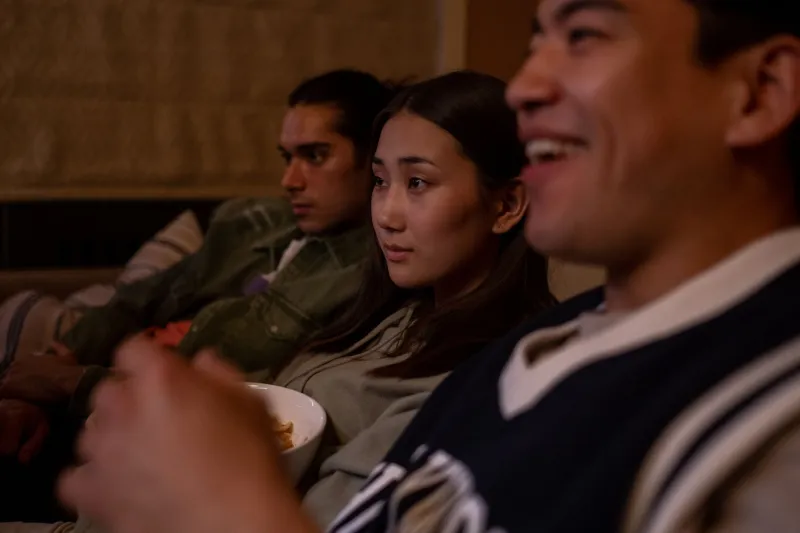
Clip It, Post It, Live It: How the Youngest Fans Are Turning Watching Into a Full-Contact Sport
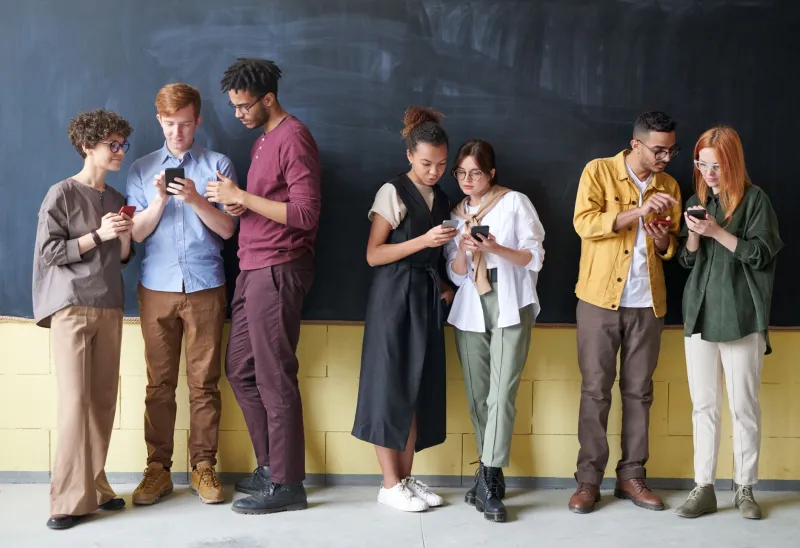
If you handed someone in their forties a remote control and asked them to watch their favorite show, they'd sit down, press play, and watch the show. If you handed a nineteen-year-old the same remote, they might also open TikTok, their group chat, a Discord server, and Twitter — sorry, X — simultaneously. They'd be texting reactions before the cold open finishes. They'd clip a single devastating line of dialogue and post it with a caption that recontextualizes the whole scene. And they'd somehow be more engaged with the content than anyone watching in silence.
This is not a distraction problem. This is a completely different relationship with entertainment — and it's reshaping how shows get made, marketed, and remembered.
The Show Is Just the Starting Point
For older audiences, a TV show or movie is the main event. The experience is the viewing. For a significant chunk of Gen Z, the content itself is more like raw material — a launching pad for a second layer of engagement that happens in parallel and often outlasts the original viewing by weeks or months.
A scene doesn't just get watched; it gets clipped and uploaded to TikTok, where it accumulates a comment section that becomes its own conversation. A character moment doesn't just land emotionally; it becomes a template for a meme format that gets remixed hundreds of times. A plot twist doesn't just get processed privately; it generates a thread of theories, hot takes, and emotional reactions that spreads across platforms before the credits roll.
This is clip culture, and it's one of the defining features of how younger audiences interact with entertainment today. The clip isn't a spoiler or a summary — it's an invitation. It says: this moment was worth stopping for, worth sharing, worth talking about. In a media landscape drowning in content, a clip that goes viral is one of the most powerful endorsements a show can get.
Community as Content
One of the most striking things about Gen Z fandom is how thoroughly the social infrastructure around a show can rival the show itself in terms of time and emotional investment.
Discord servers for popular shows or franchises function like ongoing fan conventions — places where people analyze plot details at three in the morning, share fan art, debate character motivations with an intensity that would embarrass most book clubs, and build genuine friendships organized around a piece of media. These aren't casual fan spaces. They're communities with their own cultures, inside jokes, hierarchies, and histories.
Group chats operate similarly but more intimately. If you're watching a show with a group of friends — even if you're all in different states — a running text thread during the episode is basically mandatory. The reactions, the screaming in all-caps about a plot twist, the immediate post-episode hot takes: this is part of the viewing experience now, not a supplement to it.
For older audiences, this might sound exhausting. For younger ones, watching something without anyone to react with can feel almost pointless. The social layer isn't a distraction from the entertainment — it is the entertainment.
TikTok Changed the Way Shows Get Famous
The traditional model for a show building an audience relied on word of mouth, critical reviews, and network marketing. Gen Z added a new pathway: organic virality driven by fan-created content.
Shows that might have quietly lived and died on a streaming platform have found massive second-wind audiences because a clip went viral on TikTok. The phenomenon of people discovering shows through out-of-context clips — sometimes clips that spoil significant moments — and then going back to watch the whole thing from the beginning is now a documented, repeated pattern. Streaming platforms have started factoring TikTok traction into how they measure a show's success.
This has created a genuinely new dynamic in the entertainment industry. A show doesn't just need to be good — it needs to generate moments that are clippable. Lines of dialogue that land as standalone quotes. Visual moments that work without context. Emotional beats that translate in fifteen seconds. Writers' rooms are increasingly aware of this, even if they're not always explicit about it. The most talked-about shows of the last few years have all, to varying degrees, been optimized for the clip.
Real-Time Reaction as Art Form
Then there's the reaction video — a format that older audiences often find baffling but that has become genuinely compelling content in its own right for millions of viewers.
Watching someone else experience a show for the first time — their genuine shock at a twist, their laughter at a joke, their emotional response to a devastating moment — taps into something deeply human about shared experience. It's parasocial connection at its most direct: you're not just watching a show, you're watching someone feel things about a show, and in some ways that emotional transparency is more engaging than the original content.
The best reaction creators have built enormous audiences not because they're critics or analysts but because they're enthusiastic — because their joy and surprise and sadness are authentic and infectious. That's a different kind of entertainment expertise, and it's one that Gen Z recognized and rewarded long before traditional media did.
What This Means for the Next Decade
The entertainment industry is still in the early stages of figuring out what all of this means for how content gets created. But a few things are already becoming clear.
Shows that ignore the social layer do so at their peril. Audiences who are accustomed to engaging with content as a community will migrate toward the content that invites that engagement — and away from content that feels sealed off from conversation.
At the same time, there's a real question about what gets lost when every viewing experience is also a performance. The private emotional experience of sitting with a difficult film, processing it slowly and personally, without immediately reaching for your phone to share a reaction — that's a different kind of engagement, and it's one that younger viewers are navigating in interesting ways.
And for anyone who grew up watching TV the old way, there's something genuinely worth borrowing from how Gen Z does it. The enthusiasm. The willingness to be openly, unashamedly moved by something. The instinct to find other people who love the same things and build something together around that shared love.
Maybe the emoji generation is onto something after all.
The Takeaway
Entertainment has never been purely passive — people have always talked about shows, debated them, loved them in community. What's changed is the speed, the scale, and the tools. Gen Z didn't reinvent fandom. They turbocharged it, gave it new infrastructure, and made the conversation as important as the content.
That's not a problem to solve. It's a shift to understand — and honestly, it's kind of exciting.